If you’re exploring whether Medicare pays for lift chairs, this piece explains the typical qualifications, what insurance may cover, and the steps you should take to confirm benefits under your plan. It outlines common eligibility criteria, documentation providers often request, and when a physician’s order might be necessary.
You’ll also find a brief overview of All Star Medical LLC—its selection of top lift chair brands, commitment to quality, personalized guidance, and hassle-free shopping options. For specific product or service questions, call All Star Medical at 615-258-6778 or 615-730-9438, and be sure to contact your insurance company to verify your plan’s coverage.

Overview of Medicare and Durable Medical Equipment
What Medicare is intended to cover and broad DME policy
Medicare is a federal health insurance program that helps pay for medically necessary services and supplies when you meet program rules. For durable medical equipment (DME), Medicare’s intent is to cover items that are primarily and customarily used to serve a medical purpose, can withstand repeated use, and are appropriate for use in the home. Typical covered DME items include things like standard wheelchairs, hospital beds, oxygen equipment, and walkers when your physician documents that they are medically necessary for diagnosing or treating an illness or injury.
Basic difference between Original Medicare (Part A and Part B) and Medicare Advantage
Original Medicare includes Part A (hospital insurance) and Part B (medical insurance). Part A generally covers care you receive in an inpatient hospital, skilled nursing facility, hospice, or some home health care; Part B covers outpatient services and medically necessary DME for home use. Medicare Advantage (Part C) is offered by private insurers that contract with Medicare and must provide at least the same benefits as Original Medicare, but they often package benefits differently, may require you to use a network, and sometimes offer extra benefits beyond Parts A and B. If you rely on Medicare for equipment coverage, the rules you follow and the prior authorization or documentation requirements you meet can differ depending on whether you have Original Medicare or a Medicare Advantage plan.
How Medicare defines medical necessity for equipment
Medicare defines “medical necessity” as services or supplies that are reasonable and necessary for the diagnosis or treatment of an illness or injury, meet accepted standards of medicine, and are appropriate in terms of type, frequency, extent, site, and duration. For DME, that usually means your clinician must document why the equipment is needed for a medical condition, how it will improve function or safety, and why less complex or less costly items won’t do. The equipment should have a clear therapeutic purpose beyond comfort or convenience.
Why lift chairs are frequently considered differently than standard DME
Lift chairs often fall into a gray area because their primary function can be comfort and sitting/reclining rather than treating a medical condition. While the lift mechanism assists standing and sitting, Medicare typically evaluates whether the chair is primarily medical in nature. Many lift chairs are marketed as recliners or comfort pieces with added lift features, which leads Medicare to frequently deny coverage under DME rules. Because of that, lift chairs are treated differently: you’ll need stronger, detailed documentation proving the chair is medically necessary and not simply for comfort or leisure.
What a Lift Chair Is and How It Works
Description of lift chairs and common features (power lift, recline, heat, massage)
A lift chair is a powered recliner with a motorized lifting mechanism that gently raises and tilts the seat to help you move from sitting to standing. Common features include power lift, multiple recline positions, independent head and footrest adjustments, heat and massage functions, battery backup, and remote controls. Some models include side pockets, lumbar support, and removable covers for cleaning. These features vary by model and price point, and manufacturers often emphasize comfort and convenience in addition to assistive benefits.
Typical clinical uses versus comfort or lifestyle use
Clinically, lift chairs can help people with weakened legs, arthritis, balance problems, or limited ability to transfer safely without assistance. They can reduce fall risk during sit-to-stand transfers and make it easier for you to stand independently. In contrast, many people buy lift chairs primarily for comfort, to sleep in more comfortably, or to have massage and heat features for relaxation. Medicare looks for clinical use tied to diagnosis and functional limitation rather than comfort, so you’ll want to be clear about whether your need is medical or lifestyle-driven.
Differences between standard recliners, lift chairs, and bariatric lift chairs
A standard recliner is typically a furniture piece focused on comfort and may not include a lift mechanism designed to assist with transfers. A lift chair includes a motorized lifting mechanism to aid standing and sitting, and its framing and mechanics are built for that assistive purpose. Bariatric lift chairs are designed with higher weight capacities, reinforced frames, wider seats, and stronger lift motors to safely support heavier users. From a coverage perspective, bariatric features may be relevant if you need a higher-capacity chair for a medical condition that requires it.
When a lift chair might be considered assistive versus purely comfort
A lift chair may be considered assistive when it is primarily used to treat a medical condition—when it’s necessary for safe transfers, reduces caregiver burden, or enables you to perform essential activities of daily living (ADLs). It is more likely to be considered purely comfort if your medical records show general use for relaxation, TV watching, or leisure, or if the features requested (e.g., massage, heat) are primarily for comfort. Clear clinical documentation that links the chair to medical goals and functional needs helps make the distinction.

Does Original Medicare (Part A and Part B) Pay for Lift Chairs
General rule about Original Medicare coverage for lift chairs
The general rule is that Original Medicare (Part B) does not typically cover lift chairs because they are often viewed as comfort items rather than DME that is primarily medical in nature. There is no broad national coverage decision that classifies most lift chairs as reimbursable DME under Part B. Part A may cover DME while you’re an inpatient or during certain skilled nursing care episodes, but that coverage is tied to the inpatient stay and not for long‑term home use.
Why most lift chairs are not covered under Medicare Part B DME rules
Part B covers DME that is medically necessary and primarily medical in purpose. Because many lift chairs are designed and marketed as recliners with comfort features, Medicare reviewers conclude the primary purpose is not medical. Additionally, Part B has specific categories of covered DME and documentation requirements (such as a detailed supplier order, item-specific coverage criteria, or a certificate of medical necessity for some items) that many lift chair claims do not meet. If the device doesn’t match an accepted DME classification or lacks strong clinical justification, coverage is unlikely.
Situations where equipment is covered under Part A versus Part B
Part A can pay for DME provided during an inpatient hospital stay, or as part of care in a skilled nursing facility, if the equipment is ordered and used while you are receiving covered inpatient services. Part B covers DME for use in the home when your physician orders it for medical necessity and the supplier meets Medicare rules. For lift chairs, coverage under Part A would generally be limited to temporary use during an inpatient episode; long-term home use is evaluated under Part B rules and is usually denied unless you can meet the stricter DME criteria.
Importance of medical necessity and documentation if coverage is being considered
If you believe a lift chair should be covered, medical necessity and documentation are critical. Your treating clinician must document diagnosis, functional limitations, objective findings, previous treatments, and why a lift chair is necessary to treat or manage your condition. Without thorough, contemporaneous documentation that the chair is primarily medical in nature and reasonable and necessary, Medicare is likely to deny payment.
Medicare Advantage Plans and Supplemental Coverage
How Medicare Advantage (Part C) can have different benefit structures for home equipment
Medicare Advantage plans are allowed to offer supplemental benefits beyond Original Medicare, and some plans add limited home‑based support or durable medical equipment benefits. That means a Medicare Advantage plan may choose to cover lift chairs or offer allowances toward home comfort and safety products where Original Medicare would not. Coverage varies widely by plan, provider network, and region, so you need to review your plan’s benefit documents to know what’s included.
Checking plan documents and prior authorization requirements with Medicare Advantage
If you have Medicare Advantage, carefully check your Evidence of Coverage and any benefit materials to see whether lift chairs or similar equipment are included, and whether prior authorization is required. Many Advantage plans require pre-approval and specific documentation before they’ll authorize payment. If you’re considering a lift chair, contact your plan, ask about medical necessity criteria, and request any forms or prior authorization checklists they require.
Medigap (supplemental) policies and their typical role (they supplement, not expand benefits)
Medigap policies (Medicare Supplement Insurance) help pay some of the out-of-pocket costs associated with Original Medicare—like coinsurance, copayments, and deductibles—but they do not expand Medicare benefits. That means a Medigap plan won’t make an item covered by Original Medicare into a covered benefit if it wasn’t covered in the first place. If Original Medicare doesn’t cover lift chairs, Medigap won’t cover them either.
Examples of extra benefits some Advantage plans offer that might include lift chair assistance
Some Medicare Advantage plans offer additional benefits such as allowances for home medical equipment, furniture or home modifications, or limited coverage for assistive devices. A plan might offer a benefit credit you can use toward a lift chair, include select models on a list of covered items, or provide a home safety evaluation with recommendations. The scope and eligibility criteria differ by plan, so you should confirm specifics with your insurer.

Qualifying Criteria and Medical Necessity Requirements
Common clinical conditions and functional limitations that could support medical necessity
Conditions that could support a medical necessity argument include severe lower‑extremity weakness, advanced arthritis with difficulty transferring, neurologic disorders affecting standing and balance (e.g., Parkinson’s disease, multiple sclerosis), post‑operative limitations where temporary lift assistance is required, and other diagnoses that make independent sit-to-stand transfers unsafe. Functional limitations might include inability to stand from a standard chair without assistance, repeated falls during transfers, or need for assistive devices that a lift chair can safely replace or complement.
What a physician’s order or prescription should state to strengthen a claim
To strengthen a claim, the physician’s order should be specific: list the diagnosis, explain how the lift chair addresses a documented functional limitation, state why less costly or less complex alternatives are inadequate, describe the expected duration of need, and specify features required for the medical purpose (e.g., lift mechanism, bariatric capacity). The clinician should use clear, objective language and reference prior treatments or evaluations that justify the equipment.
Required face-to-face encounters, functional assessments, and supporting documentation
Some DME claims require a recent face-to-face encounter or a functional assessment from a physician, occupational therapist, or physical therapist that documents current abilities and limitations. Supporting documentation may include progress notes, therapy notes, ADL assessments, fall history, gait and transfer evaluations, and any prior attempts at conservative measures. The more objective and contemporaneous the documentation, the stronger your case for medical necessity.
How durable, primarily medical in nature, and reasonable use criteria are evaluated
Medicare evaluates whether the item meets DME criteria: durability (reusable and long-lasting), primarily medical in nature (serves a medical purpose rather than comfort), and reasonable and necessary (appropriate for diagnosis or treatment). Reviewers will consider item description and manufacturer claims, clinical documentation linking the device to treatment goals, and evidence that the equipment is the least costly effective solution. If the chair’s documentation and design clearly show therapeutic intent and necessity, it stands a better chance of meeting these criteria.
Supplier Requirements and Enrollment in Medicare
Why the supplier must be enrolled in Medicare to bill Original Medicare
To bill Original Medicare, a supplier must be enrolled in Medicare and meet DME supplier standards. Enrollment ensures the supplier follows Medicare billing rules, quality standards, and can legally submit claims and receive payment. If a supplier is not enrolled, Medicare will not process claims through them, and you could be responsible for full payment.
What it means for a supplier to accept assignment and why that matters to beneficiaries
When a supplier accepts assignment, they agree to accept the Medicare-approved amount as full payment for covered items. If a supplier accepts assignment, you typically pay only the Medicare cost-sharing (deductible and coinsurance) rather than extra charges. If a supplier does not accept assignment, they can charge you more than the Medicare-approved amount up to a limiting charge (if allowed), and you may face higher out-of-pocket costs.
How to verify a supplier’s Medicare enrollment and reputation
You should ask the supplier for proof of Medicare enrollment or their Medicare billing number and confirm whether they accept assignment. You can also ask for references, look for customer reviews, and check with local consumer protection or aging services to learn about their reputation. Ask for written estimates, delivery and setup policies, warranty details, and repair/service practices before you commit.
Questions to ask suppliers about billing, warranties, and deliveries
Ask whether the supplier is enrolled in Medicare and accepts assignment, what their billing process is if Medicare denies coverage, and whether they will require you to sign an Advance Beneficiary Notice. Inquire about warranties, who services repairs, costs of replacement parts, delivery and setup charges, return policies, and whether they offer trial periods or rental options. Also ask if they provide the documentation or claim submission assistance you may need for appeals.

Billing, Notices, and What to Expect if Medicare Won’t Pay
Advance Beneficiary Notice of Noncoverage (ABN) and what it means
An Advance Beneficiary Notice (ABN) is a written notice you sign when a supplier or provider believes Medicare likely won’t cover an item or service. The ABN explains why Medicare may not pay and gives you the choice to accept financial responsibility if Medicare denies the claim. If you sign an ABN, you may be billed directly by the supplier, so read it carefully and ask questions before signing.
Typical billing process when Medicare denies coverage for a lift chair
If Medicare denies coverage, the supplier may bill you directly for the full cost. You should receive an itemized bill and an explanation of benefits (EOB) from Medicare detailing the denial reasons. If a supplier accepted assignment and Medicare denied, you’ll still be responsible for payment unless the supplier absorbs the denial. Keep all paperwork, ask for written estimates up front, and request that the supplier put billing options in writing.
Out-of-pocket payment options and obtaining written estimates
If you’ll pay out of pocket, obtain written estimates that specify model, features, price, delivery, setup, taxes, and warranty terms. Compare models and prices among suppliers. Consider negotiating a discount, asking about floor models, or removing non-medical features to reduce cost. Make sure any verbal promises are documented in writing.
How suppliers can work with patients on payment plans, discounts, or charitable resources
Many suppliers offer financing, payment plans, rental-to-own options, or discounts for cash payments. Some may work with charitable organizations or local aging agencies to identify funding assistance. Ask suppliers about available programs and whether they can provide documentation to support grant or charitable applications.
Appeals, Claims, and How to Pursue Coverage
Steps to take if Medicare or your plan denies coverage for a lift chair
If your claim is denied, start by requesting a written explanation for the denial and check whether a prior authorization or required documentation was missing. Gather all medical records and the physician’s order, then follow your plan’s appeal process: request reconsideration or file an appeal as specified by Original Medicare or your Medicare Advantage plan. Don’t delay—appeals have strict filing timelines.
Gathering additional medical evidence and letters of support from clinicians
Strengthen your appeal by collecting additional evidence: updated physician notes, therapy assessments, ADL and fall documentation, and letters from your treating physician, occupational therapist, or physical therapist that explicitly state why the lift chair is medically necessary. Include objective functional measures and photographs or videos showing transfer difficulties if helpful.
Filing a formal appeal with Medicare or your Medicare Advantage plan
For Original Medicare, follow the multi-level appeal process which typically starts with a redetermination, then reconsideration, and can proceed to administrative law judge hearings and beyond. Medicare Advantage plans have their own internal appeal procedures and external review options. Make sure you submit appeals within the timeframes stated in the denial notice and provide copies of all supporting documentation.
Timelines, documentation tips, and when to seek help from a patient advocate
Appeal timelines vary—Original Medicare commonly allows about 120 days for the initial appeal from the date you receive the denial notice; Medicare Advantage plans often have shorter timelines. Keep organized copies of everything you submit, use clear, concise summaries of why the item is medically necessary, and include dated clinical notes. If the process feels overwhelming, contact a State Health Insurance Assistance Program (SHIP), a patient advocate, or a legal aid organization experienced in Medicare appeals for assistance.

Alternatives and Additional Funding Sources
State Medicaid programs and eligibility differences that may cover lift chairs
Medicaid is state-run and can have different coverage rules than Medicare. Some state Medicaid programs cover lift chairs for eligible beneficiaries if they meet medical necessity criteria and have the appropriate authorization. Eligibility and covered items vary by state, so check your state Medicaid program for specific guidance and application procedures.
Veterans Administration (VA) benefits and potential coverage for eligible veterans
If you’re a veteran, VA benefits may cover certain assistive devices, including seating systems or lift chairs, depending on your service-connected conditions and VA medical evaluations. The VA has its own criteria and often provides equipment through its medical centers. Contact your VA care team or prosthetics department to learn about eligibility and application steps.
Nonprofit programs, local aging agencies, and community assistance options
Local Area Agencies on Aging, senior centers, and nonprofit organizations sometimes offer assistance, grants, or equipment loan closets that can help you access lift chairs or alternatives at low or no cost. Charities focused on aging, disability, or specific disease groups may have programs to help with durable medical equipment. Reach out to community resources and social services in your area to explore options.
Manufacturer discounts, trade-ins, rental options, and rent-to-own programs
Many manufacturers and suppliers offer discounts, seasonal sales, or trade-in programs. Rental and rent-to-own options can allow you to try a lift chair or use it temporarily while exploring coverage or arranging funding. Rent-to-own can be more expensive long term, so compare total costs, and make sure rental agreements include maintenance and repair terms.
Conclusion
Summary: Medicare generally does not cover lift chairs but individual situations vary
In short, Medicare generally does not cover lift chairs under Original Medicare Part B because many models are considered comfort items rather than DME that is primarily medical in nature. Exceptions exist in very specific circumstances or through Medicare Advantage plans that offer extra benefits, so outcomes can vary based on your plan and documentation.
Key actions: verify your plan, obtain thorough medical documentation, and speak with suppliers
To give yourself the best chance of coverage or a workable payment solution, verify your coverage rules with your insurer, obtain thorough and objective medical documentation from your treating clinicians, and talk with reputable suppliers about Medicare enrollment, billing, and payment options.
Explore alternatives like Medicare Advantage, Medicaid, VA benefits, or manufacturer assistance
If Original Medicare won’t cover a lift chair, explore whether your Medicare Advantage plan offers supplemental benefits, whether you qualify for state Medicaid or VA benefits, or whether nonprofit programs, manufacturer discounts, rentals, or community resources can help meet your needs.
Contact resources and next steps to get personalized help and make an informed decision
Start by contacting your plan to confirm coverage rules and prior authorization requirements, ask your clinician to document functional limitations and medical necessity in detail, and request written estimates from suppliers that include warranty, delivery, and billing terms. If a denial occurs, gather supporting evidence and follow your plan’s appeal process, and consider seeking assistance from a patient advocate or local aging services to navigate next steps. You don’t have to do this alone—reach out to trusted professionals to help you make an informed choice.
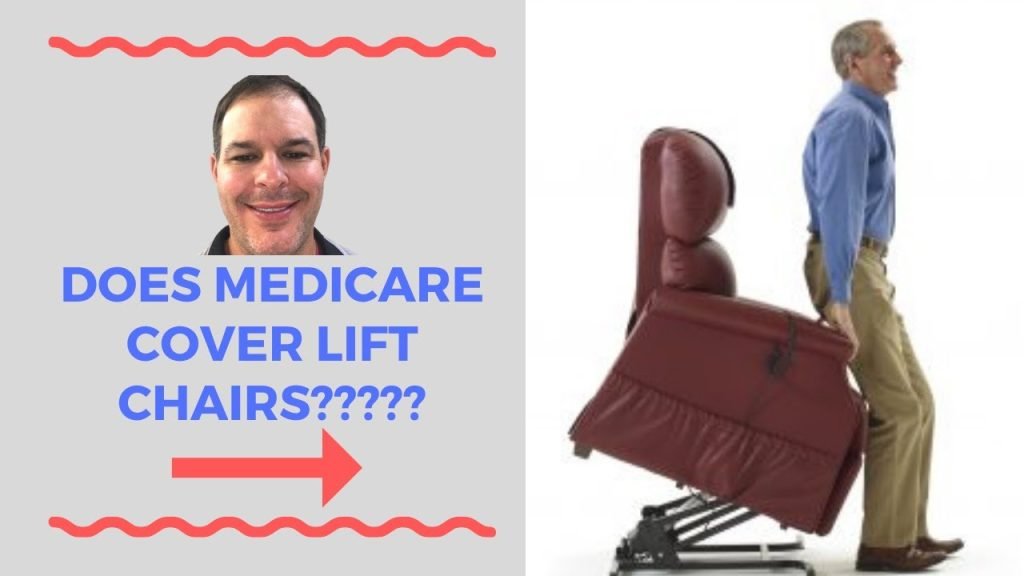
In our video Medicare pays for lift chairs?, We discuss the qualifications of lift chairs and what is actually covered by insurance. We recommend you calling your insurance company to check the qualifications of your own plan.
You can order from us online at
Discover the All Star Medical LLC difference—a commitment to excellence in every aspect of your medical equipment needs:
Extensive Selection: Explore our comprehensive range of Lift Chairs featuring top brands such as Pride Mobility, Golden Technologies, and Vivalift Power Recliners—ensuring you find the perfect fit.
Uncompromising Quality: We partner with trusted manufacturers renowned for reliability and durability, rigorously testing each product to meet our stringent standards.
Personalized Expertise: Our dedicated team offers tailored recommendations based on your specific requirements, ensuring you make informed choices with confidence.
Dedicated Support: Contact us anytime at 615-258-6778 or leave a comment below for exceptional customer service—we’re here to assist you every step of the way.
Effortless Convenience: Enjoy hassle-free shopping from the comfort of your home via our intuitive website, designed for your convenience.
For inquiries, call us at 615-730-9438 or leave a comment below.
Thank you for supporting All Star Medical LLC—your trusted partner in quality healthcare solutions.