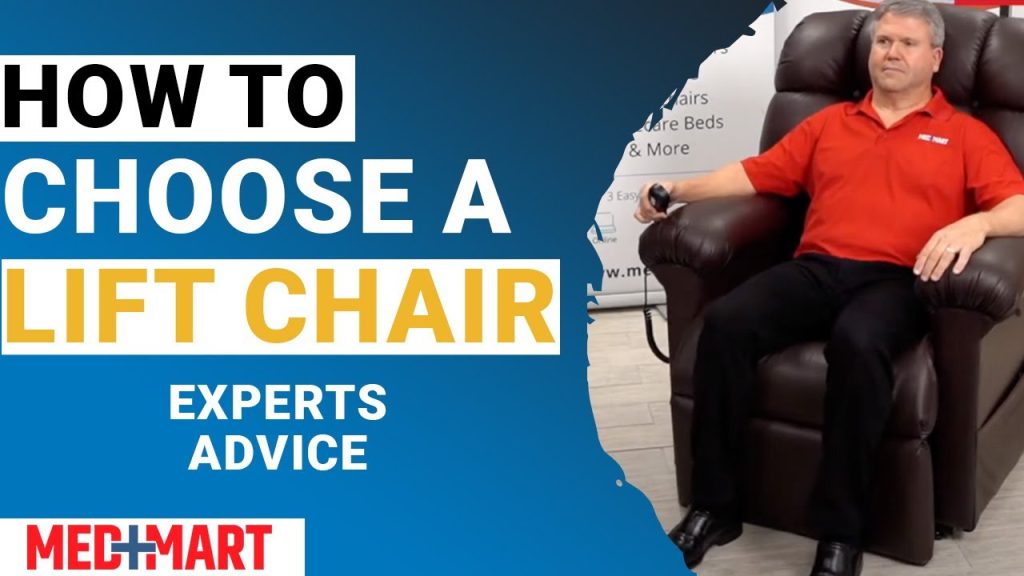
Med Mart’s video helps you choose a lift chair by covering the chair’s purpose, sizing by height, positions and control options, fabric choices like synthetic leather or waterproof materials, and extras such as cup holders, built-in heat, and massage. It also points to timestamps so you can quickly jump to the sections that matter most for your needs.
For more than 30 years Med Mart has supported individuals and families with medical equipment, growing from a family-run store in Cincinnati to three retail locations, a shipping warehouse, and a catalog of over 7,000 products. If you want personalized guidance, you can speak with Med Mart’s product navigators to match size, materials, and features to your daily routine.

Determine the Purpose and Primary Use
Choosing the right lift chair starts with knowing exactly how you’ll use it. Think through the daily routines you expect the chair to support and the scenarios where it will matter most. Your intended use will drive almost every other decision about the chair’s features, size, and power.
Identify primary needs: daily transfers, reclining for sleep, or occasional assistance
Decide whether you need the chair for frequent transfers (getting in and out many times a day), extended reclining for naps or nighttime rest, or only occasional assistance. If you plan to transfer frequently, you’ll want a chair with smooth, reliable lift action and a seat height that matches your other furniture. If you intend to recline for sleep, a full-recline or infinite-position model that supports near-flat positioning will be more appropriate. For occasional assistance, a simpler two-position model may suffice.
Consider therapeutic goals: pressure relief, pain management, or improved circulation
Match the chair to any therapeutic goals you have. For pressure relief and skin protection, look for chaise-style or split-back designs that distribute weight and eliminate seams under the legs. If pain management or improved circulation is a priority, choose models with elevation options, leg extension, or built-in heat and massage features (bearing in mind contraindications your clinician may advise). Discuss specific medical needs with a therapist if pressure sores, edema, or chronic pain are concerns.
Assess caregiver involvement: independent use vs assisted transfers
Think about whether you’ll use the chair independently or need frequent caregiver assistance. If you’re mostly independent, choose intuitive controls and a lift mechanism that allows you to stand with minimal help. If caregivers will assist you, features like caregiver lockouts, wireless remotes, and easy-to-reach controls will make transfers safer and easier for them.
Decide if mobility independence or ease of caregiving is the priority
Clarify whether your priority is maximizing your own independence or making caregiving easier. A chair configured for independence favors user-friendly controls, memory positions, and a seat height suited to your mobility aids. Prioritizing caregiving might mean selecting one with enhanced safety features, stronger lift capacity, and caregiver-oriented controls. Either way, make that priority clear before comparing models.
Match use case to chair features (lift strength, recline range, controls)
Finally, match your use case to the practical chair specifications: lift strength matters if you’re taller or heavier; recline range is crucial if you need therapeutic positioning; and the type of controls affects usability for both you and any caregivers. Use a checklist of “must-have” vs “nice-to-have” features so you can quickly compare models that meet your real needs.
Assessing User Size and Measurements
Correct sizing ensures comfort, proper posture, safe transfers, and long-term use. Taking accurate measurements helps you pick the right chair category and avoid fit issues that lead to pressure points or awkward transfers.
Height-based sizing guidelines and recommended chair categories
Use your height as a starting point: manufacturers often categorize chairs as petite, standard, tall, or extra-tall. Petite models suit shorter users (roughly under 5’3″), standard fits many people between about 5’3″ and 6’0″, tall accommodates users over 6’0″, and extra-tall fits very tall individuals. These categories affect seat height, back height, and footrest extension, so choose the category that keeps your knees at a comfortable angle when seated and provides adequate head support.
Seat width considerations for comfort and safe transfers
Seat width should allow you to sit comfortably without feeling squeezed, but it also needs to support safe transfers. Measure your widest hip area while wearing typical clothing or any support garments. As a guideline, standard seat widths commonly range from 20 to 22 inches; wider or bariatric options can be 24 inches or more. Allow a couple inches of clearance for comfort but avoid excessive width that makes transferring independently more difficult.
Seat depth and thigh support measurements
Seat depth—from the back of the seat to the front edge—should support most of your thighs while leaving about 1–3 inches of space behind your knee. Too deep and you may slide forward; too shallow and your thighs won’t be supported properly. Sit in a chair and measure from your backside to the back of your knee to determine the appropriate depth, accounting for any cushions you’ll use.
Back height and head support requirements
Back height determines head and neck support. Measure from the seat surface to the top of your head while seated in your preferred posture. If you need head and neck support for sleeping or neck pain, choose a higher back that reaches at least to your upper shoulders or head. Adjustable or attachable headrests add flexibility if you anticipate changing needs.
Practical measuring tips to get accurate dimensions at home
Measure yourself while seated on a firm, flat surface that approximates the chair seat. Use a tape measure and have a helper if possible. Measure with typical clothing and any assistive devices you’ll use while seated. Record height, seat-to-floor measurement, hip width, thigh length, and back height. When comparing chairs, check manufacturer specs for seat height, width, depth, and back height and match them to your measurements.

Choosing the Right Chair Type
Different lift chair types suit different needs. Understanding the benefits and limitations of each will help you narrow choices to the designs that match your lifestyle and therapeutic goals.
Two-position lift chairs: sit and recline basics and best users
Two-position chairs have a lift function and a simple recline—usually upright and one reclined position. They’re straightforward, reliable, and often more affordable. These chairs are best for users who need help standing and want occasional reclining for reading or short naps but don’t require medical positioning or extended overnight use.
Three-position lift chairs: added recline options and comfort
Three-position chairs add a middle, relaxed sitting position between upright and fully reclined. This gives more flexibility for lounging, watching TV, or resting without fully reclining. They’re a good middle ground for people who want more comfort options than a two-position but don’t need full-flat therapeutic positioning.
Infinite-position or full-recline lift chairs: near-flat therapeutic use
Infinite-position chairs, also called full-recline or lay-flat models, can recline near or completely flat, often with separate back and leg adjustments for customized positioning. These are ideal for therapeutic needs—sleeping, pressure redistribution, severe circulation issues, or long periods of sitting. Choose these if you need medical-level positioning or overnight reclining.
Split-back and chaise-style designs: advantages for pressure distribution
Split-back and chaise-style chairs have a continuous surface from the back through the legs, reducing seams and pressure points. That design helps redistribute pressure more evenly and is beneficial for users at risk of skin breakdown or needing extended reclining. Chaise-style models also offer more support for the entire leg and foot, improving circulation.
Bariatric and heavy-duty models for higher weight capacities
If you or the intended user is heavier, choose bariatric or heavy-duty chairs designed with reinforced frames, stronger lift mechanisms, and wider seats. These models have higher weight capacities (often 400–800+ pounds depending on the model) and wider seat widths and depths to ensure safe, stable, and comfortable use.
Positions and Control Options
Control type and positioning capability influence daily ease of use. Your motor skills and caregiver involvement will determine which controls are most appropriate.
Basic up/down controls: simplicity and reliability
Basic up/down controls operate the lift and recline with a simple switch or two-button control. They’re intuitive, less likely to fail, and perfect if you want straightforward operation with minimal features. Reliability and ease of repair often make these a good choice for independent users with simple needs.
Multi-position controls for preset angles and memory positions
Multi-position remotes let you move to several preset angles and sometimes save memory positions. These are excellent if you frequently use the same recline angles for sleeping, reading, or standing. Memory presets reduce the need to fine-tune positions manually and are convenient for caregivers.
Hand-held pendant vs in-seat wired controls
Hand-held pendant remotes are common and allow you to sit upright while operating the chair. In-seat wired controls can be stored in a pocket and are less likely to be misplaced. Decide which you find more accessible—pendants are handy but can dangle or get in the way, while in-seat controls stay put but require you to reach down.
Wireless remotes and caregiver lockout features
Wireless remotes offer flexibility and reach but can be misplaced or run out of battery. Caregiver lockout features prevent unintended operation by children or users with cognitive impairment by disabling certain functions unless the caregiver enables them. If multiple people will access the chair, lockout options improve safety.
Programmable controls and massage/heat integration
Programmable controls let you set and recall custom positions, and integration with massage and heat can provide comfort and symptom relief. Keep in mind massage/heat functions have contraindications (e.g., certain circulatory or sensory impairments) and may add to maintenance. If you value comfort and therapeutic options, choose a model with reliable programmable controls.

Material and Upholstery Choices
The upholstery affects comfort, cleaning, and durability. Match material properties to lifestyle, health needs, and maintenance capability.
Synthetic leather (leatherette): durability, ease of cleaning, and look
Synthetic leather offers a polished look and wipes clean easily, making it a good choice if spills and stains are a concern. It resists wear and is low-maintenance, but can be less breathable than fabric. If you like the leather look without the maintenance of genuine leather, leatherette is practical.
Fabrics: breathability, comfort, and stain susceptibility
Fabric upholstery is breathable and often more comfortable for long periods of sitting. However, fabric can stain more easily and may require professional cleaning for tough spills. If you prefer cozy textures and plan to use cushions or covers, fabric can be a comfortable option.
Waterproof and stain-resistant upholstery options for incontinence or spills
For users with incontinence risks, pets, or frequent spills, waterproof or stain-resistant upholstery is essential. These materials protect the internal foam and frame, extend the chair’s life, and simplify cleaning. Look for options that balance waterproofing with breathability to avoid skin moisture issues.
Hypoallergenic and antimicrobial materials for sensitive users
If you have allergies or sensitive skin, choose hypoallergenic fabrics or antimicrobial treatments that resist mold, mildew, and bacterial growth. These materials help maintain a cleaner environment and can reduce skin irritations, though they may carry special care instructions.
Trade-offs: cleaning methods, wear patterns, and long-term durability
Weigh trade-offs: leatherette is easy to clean but can feel sticky in heat; fabric is comfortable but harder to maintain; waterproofing protects against spills but may trap heat. Consider how often you’ll clean the chair, whether pets or children are present, and how long you need the chair to last. Durable frames with replaceable covers can help mitigate material wear over time.
Additional Features and Accessories
Accessories and integrated features can enhance comfort and convenience. Prioritize those that align with your daily routine and medical needs.
Built-in heat and massage: benefits and contraindications
Heat and massage can ease muscle tension, improve circulation, and increase comfort. However, they’re contraindicated in certain conditions (e.g., some circulatory disorders, reduced sensation, or recent surgery). Consult a healthcare provider before relying on these features for therapy and consider models with adjustable intensity and timed sessions.
Cup holders, side pockets, and storage for everyday convenience
Small conveniences like cup holders, side pockets, and storage compartments make the chair more functional for daily living—keeping remotes, books, and glasses within reach. These features are particularly helpful if you spend long periods in the chair or prefer fewer trips away from your seat.
Removable trays, headrests, and adjustable lumbar supports
Removable trays are useful for eating, reading, or using a tablet. Adjustable headrests and lumbar supports help you customize posture and comfort for long-term sitting and therapeutic positioning. Look for accessories that are easy to attach and remove and don’t interfere with the lift mechanism.
Battery backup systems and emergency lowering functions
Battery backup is crucial if you live in an area with unreliable power or worry about being stuck in a reclined position during an outage. Emergency lowering functions allow caregivers to safely return you to an upright or seated position without main power, providing peace of mind.
Accessory compatibility: lift-assist belts, transfer boards, and trays
If you use transfer aids like lift-assist belts or transfer boards, verify compatibility with the chair’s seat height, armrest design, and base clearance. Some chairs have built-in attachment points or recommended accessories—choose models that make transfers smoother and safer with the tools you already use.

Weight Capacity and Durability
A chair’s weight capacity and build quality are fundamental to safety and longevity. Choose conservatively for stability and durability.
Standard vs bariatric weight capacity ranges
Standard lift chairs typically support up to 300–400 pounds, while bariatric models are designed for higher capacities—often 400–800+ pounds. Match the chair’s rated capacity to the user’s weight, clothing, and any assistive equipment that may affect load.
Choosing a safety margin above the user’s weight
Always select a chair with a safety margin above the user’s actual weight—typically 10–20% higher—to account for dynamic loads during lifting and reclining. This margin prevents excessive wear on the lift mechanism and improves long-term reliability.
Frame materials and construction indicators of longevity
Sturdy frame materials like reinforced steel indicate better durability and longevity. Look for welded frame construction, not just bolted joints, and review whether the manufacturer provides strength or durability testing information. Heavier frames often translate to sturdier chairs.
Caster and base design for stability and floor protection
Examine the base and casters (if present) for stability and floor protection. Broad, well-designed bases reduce tip risk, and quality caster materials prevent floor damage. If you plan to move the chair occasionally, check lockable casters or glide options that keep the chair stable during use.
Signs of build quality: welded frames, reinforced lift mechanisms
Signs of build quality include welded frame joints, reinforced lift mechanisms, and visible bracing or gussets. Higher-quality models often include longer warranties on the lift system and frame, which reflects manufacturer confidence in durability.
Power, Battery Backup, and Electrical Considerations
Understanding power systems keeps you safe and ensures uninterrupted operation when you need it most.
Types of lift motors and expected lifespan
Lift motors vary in design and power. High-quality motors deliver smooth, quiet operation and can last many years with normal use—often 5–10 years depending on frequency and maintenance. Look for motors with serviceable parts and manufacturer support.
Importance of battery backup for power outages and safe lowering
Battery backup allows safe lowering in power outages so you won’t be stuck in a reclined position. It’s an essential feature if you live in an area prone to outages, rely on the chair for standing transfers, or are concerned about nighttime power interruptions.
Power cord length, placement, and outlet availability
Consider the power cord length and placement in the room. You’ll want the cord to reach an outlet without running across walkways where it creates a tripping hazard. If outlets are scarce, plan for extension options that maintain safety and don’t interfere with the chair base.
UL listing and other electrical safety certifications to check
Check for UL (Underwriters Laboratories) listing or comparable safety certifications for electrical components. Certified products have been evaluated for safety and reduce the risk of electrical hazards. These listings are worth verifying before purchase.
Tips for route planning so cords don’t create tripping hazards
Plan the chair’s location with cord routing in mind: position the chair near an outlet, use cord covers or cable management to keep cords flush against walls, and avoid running cords across walkways. If battery backup is available, that reduces the need for constant outlet proximity.

Safety Features and Stability
Safety features protect you and caregivers during daily use. Prioritize features that align with your risk profile and living environment.
Anti-tip and wide-base designs for added stability
Anti-tip designs and a wide base increase stability during lift and recline operations. A broader footprint reduces the risk of tipping, especially when transferring or when the user shifts weight. If you have balance issues, these design elements are especially important.
Seatbelts, harnesses, and pelvic positioning straps when needed
For users with significant mobility or balance challenges, integrated seatbelts, harnesses, or pelvic positioning straps may be necessary to prevent sliding and ensure safe positioning. Use these under the guidance of a clinician and ensure they’re adjustable and comfortable for everyday wear.
Smooth start/stop lift mechanics to reduce jolting and discomfort
Smooth start/stop mechanics reduce sudden movements that can cause discomfort, dizziness, or a startle response. High-quality motors and controls provide gradual acceleration and deceleration for a calmer, safer transfer experience.
Lockout features to prevent unintended operation by children
Lockout features prevent children or individuals with cognitive impairment from operating the chair accidentally. These may be physical switches, remote lockouts, or password-protected remotes—useful in multi-user households.
Floor-surface considerations to prevent sliding or uneven support
Consider your floor surface—hardwood, tile, carpet—and choose glides or casters that won’t damage floors or allow unwanted sliding. Area rugs under the chair should be non-slip or secured to prevent movement during stand and sit cycles.
Conclusion
Summing up the most important considerations will help you narrow options and choose a lift chair that fits your life and needs.
Key factors to weigh: purpose, sizing, controls, materials, and budget
Weigh the chair’s intended purpose, accurate sizing, control type, upholstery, and your budget. Prioritize safety and comfort first, then balance desired extras like massage, heat, or storage. A chair that fits you well and meets your primary needs will give the best long-term value.
Use a checklist to compare models and prioritize must-have features
Create a checklist of must-have features (e.g., seat width, weight capacity, battery backup) and nice-to-have items (e.g., massage, cup holders). Use it to compare models side-by-side so you can make a practical, informed choice rather than an impulse buy.
Try chairs in person when possible and use trial/home demo options
Whenever possible, try chairs in person to test comfort, transfer ease, and control usability. Many suppliers offer trial or home demo options; use these to confirm the chair meets your real-world needs in your environment.
Leverage expert help from Med Mart product navigators for personalized guidance
If you need tailored advice, leverage Med Mart product navigators who can help translate your measurements, medical needs, and lifestyle into recommended models. Expert guidance can save time and ensure you pick a chair that truly fits your daily routine.
Next steps: measure, list priorities, and contact Med Mart for assistance
Your next steps are simple: measure yourself accurately, write a ranked list of priorities (independence vs caregiving ease, therapeutic needs, upholstery preferences), and reach out to a trusted provider such as Med Mart to discuss options and arrange a demo. With the right information and support, you’ll find a lift chair that enhances your comfort, safety, and independence.
This informative video from Med Mart provides expert advice on choosing a lift chair. It covers essential considerations such as the purpose of the chair, sizing options based on height, different chair types with varying control capabilities, fabric choices including synthetic leather and waterproof materials, and additional features like cup holders and built-in heat and massage. The video offers valuable insights to help individuals make informed decisions when selecting a lift chair, and assistance from Med Mart’s product navigators is available for further guidance.
🟢 Check out Med Mart’s Lift Chair selection at
🔴 SUBSCRIBE :
CONTENT
ABOUT
At Med Mart, we have been dedicated to serving individuals and families with top-quality medical equipment for over 30 years. Since our humble beginnings as a family-run store in Cincinnati, Ohio, we have grown to become one of the most trusted names in the industry nationwide. With three physical stores, a shipping warehouse, and and over 7000 products, we strive to provide you with the resources, advice, and support you need to lead a more independent and enjoyable life.
We pride ourselves on offering an extensive product catalog with medical equipment and mobility solutions, ensuring that we cater to the diverse needs of our customers. From wheelchairs to home healthcare supplies, our goal is to enhance your quality of life. Alongside our wide range of products, we provide exceptional customer service, treating each individual like family.
Subscribe to our channel, and gain access to valuable information and resources that can significantly improve your health and well-being!