Are you trying to understand which features matter most when choosing a reclining or lift chair for your comfort and mobility needs?

What Are The Features Of Reclining And Lift Chairs?
You’re looking for details about reclining and lift chairs so you can choose a chair that fits your lifestyle, body, and health needs. This article breaks down the most important features, explains mechanics and terminology, and gives practical advice to help you make an informed decision.
Overview of Reclining and Lift Chairs
A reclining chair allows you to lean back and elevate your legs for comfort, while a lift chair adds a powered lifting mechanism to assist you into standing. Both types come in many configurations and technologies that affect comfort, safety, durability, and therapeutic value.
What is a reclining chair?
A reclining chair adjusts the seat back and footrest so you can relax in a reclined position, often using manual or powered controls. Recliners vary from simple two-position models to advanced infinite-position or zero-gravity designs that offer fine-tuned posture adjustment.
What is a lift chair?
A lift chair integrates an electric motorized lifting mechanism that gently raises and tilts the entire chair forward to help you stand. Lift chairs are made for people with limited mobility, balance problems, or difficulty standing up from a seated position.
Mechanisms and Types
Understanding mechanisms helps you match functionality to your needs and room layout. Mechanisms determine how the chair moves, how it’s controlled, and what maintenance it requires.
Manual vs Power Recline
Manual recliners use a lever, push-back action, or mechanical handle that you operate with your body strength. Power recliners use one or more electric motors controlled by buttons or remotes, offering smoother movement and easy adjustment for people with limited strength.
Single-Motor vs Dual-Motor Systems
A single-motor system controls both the backrest and footrest with one synchronized motor, usually moving them together. Dual-motor systems provide independent control for the back and footrest so you can fine-tune positions like raising the footrest while keeping the back upright.
Types of Recline Styles
Recline styles include two-position, multi-position, and infinite-position recline, each offering different levels of adjustability. Wall-hugger designs minimize clearance behind the chair, and zero-gravity models distribute weight to reduce pressure on the spine and legs.
Two-Position and Multi-Position Recline
Two-position recliners typically offer an upright and a fully reclined setting, which is simple and low-cost. Multi-position models lock at several preset angles, making them useful when you want a few different levels of recline for reading, napping, or watching TV.
Infinite-Position (Power Recline)
Infinite-position power recliners allow continuous, precise adjustments between upright and fully reclined positions. This type is ideal if you want to tune small changes to position for pain relief or circulation.
Wall-Hugger and Space-Saving Designs
Wall-hugger designs shift the reclining pivot so the chair slides forward rather than back, requiring less space behind the unit. Space-saving recliners are a good choice when you have limited room and still want full recline functionality.
Zero-Gravity Recliners
Zero-gravity recliners position your body so that your legs are slightly elevated above your heart, which can reduce spinal pressure and improve circulation. Originally developed for aerospace comfort, this position is popular for therapeutic benefits.


Lift Mechanisms and Specifications
The lift mechanism is the defining feature of a lift chair, and its type affects safety, comfort, and functionality. Details like lift angle, speed, and motor strength matter for daily use and caregiver assistance.
Full Lift vs Lift-Assist
Full lift chairs raise the entire frame and seat off the ground to a standing position, while lift-assist models tilt the seat forward but may not fully lift the entire base. Full lift models are best if you need maximal help standing; lift-assist options can suffice for mild weakness.
Tilt-in-Space and Trendelenburg Options
Tilt-in-space maintains the seat-to-back angle while changing the whole seat angle to redistribute pressure, useful for pressure management. Some chairs offer Trendelenburg or anti-Trendelenburg tilt to position the head lower or higher than the feet, which can aid certain medical needs when used under professional guidance.
Lifting Capacity and Range
Lift capacity is rated in pounds and ensures the motor and frame safely support your weight; common capacities range from 300 to 700+ pounds. You’ll want to choose a chair with a comfortable margin above your current weight to ensure longevity and stability.
Speed, Smoothness, and Noise
Motor speed affects how fast the chair moves; slower, smooth motions are gentler and often preferable for sensitive users. Noise level is another consideration—high-quality motors with better gearing and insulation run quietly, which can be less disturbing in shared living spaces.
Safety Features and Emergency Options
Many lift chairs include safety stops, anti-slip footrest locks, and battery backups that allow lowering the chair during power outages. Emergency manual overrides enable a caregiver to release mechanisms if electrical systems fail.
Comfort and Ergonomic Features
Comfort is both subjective and measurable, influenced by seat dimensions, lumbar support, padding, and position range. Ergonomic features reduce strain and support healthy posture for long periods of sitting.
Seat Width, Depth, and Height
Seat dimensions affect how well the chair fits your body. You should measure hip width, thigh length, and floor-to-knee height to ensure the seat will support you comfortably with feet flat when upright.
Lumbar Support and Adjustable Backrests
Built-in lumbar support provides targeted lower-back assistance and can be fixed or adjustable. Adjustable backrests let you change curvature to reduce back strain and support natural spinal alignment.
Headrests and Neck Support
Integrated or adjustable headrests cradle your neck and reduce upper spine fatigue during extended sitting. Some models feature extendable or power-adjustable headrests that you can fine-tune for sleeping or reading.
Footrests and Calf Support
Footrest design ranges from fold-down manual rests to integrated powered leg lifts that extend and support calves. Full-length footrests that support the entire lower leg can reduce pressure behind the knee and improve blood flow.
Cushioning, Foam Density, and Comfort Layers
Cushion materials—high-resilience foam, memory foam, pocketed coils—determine how a seat feels and how it recovers after use. Foam density influences support and longevity: softer foams feel plush but may compress faster, while denser foams offer better long-term support.
Suspension and Base Construction
The suspension system—coil spring, sinuous spring, or webbing—affects bounce and durability. Solid steel frames and reinforced joints are common in higher-quality chairs and help maintain alignment over years of use.
Therapeutic and Wellness Features
If you have medical needs, certain features can provide therapeutic benefits beyond basic comfort. These options can support circulation, pain management, and post-surgical recovery.
Heat Therapy and Targeted Warmth
Heat elements in lumbar or seat areas can relieve muscle tension and increase comfort in chronic pain conditions. Most heating systems are low-voltage, adjustable, and include safety cutoffs.
Vibration and Massage Programs
Massage features use motors and nodes to deliver vibration, kneading, or rolling sensations designed to relax muscles and improve circulation. Multiple intensities and targeted zones help you tailor therapy to areas like the lower back or thighs.
Pressure Redistribution and Alternating Cushions
Pressure-relieving cushions and alternating air cells can help prevent pressure ulcers when you sit for long stretches. These systems are often used for users at high risk of skin breakdown and may be recommended by healthcare professionals.
Elevation for Circulation and Edema Reduction
Elevating legs above heart level helps reduce swelling and improves venous return, providing relief for fluid retention in lower extremities. Adjustable recline and leg elevation positions let you use these benefits routinely.
Posture and Joint Relief Positions
Certain recline positions open hip angles and take pressure off the lumbar discs, helping with sciatica or hip pain. Independent leg and back controls allow you to find a combination that reduces joint stress during prolonged sitting.
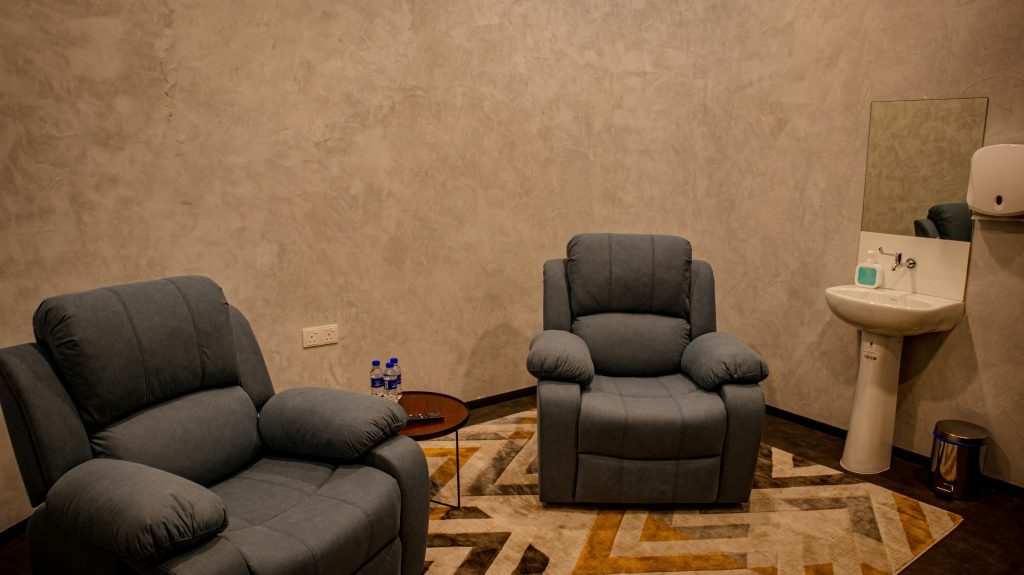
Control Options and Technology
Controls influence usability, especially for users with limited dexterity or caregivers assisting remotely. Modern chairs include several control styles and smart features.
Wired and Wireless Remotes
Wired hand remotes are simple, reliable, and generally easy to use, while wireless remotes give more freedom of movement. Many remotes include preset positions that return the chair to common configurations like “standing” or “lift.”
Smartphone Apps, Bluetooth, and Smart Home
Some high-end models offer smartphone apps or Bluetooth connectivity for position control and diagnostic feedback. Integration with smart home systems can provide voice control or schedules, but these features add complexity and potential points of failure.
Programmable Presets and Memory
Memory presets store preferred positions so you can return to specific angles with a single button. This is useful when multiple users share a chair or when you use distinct positions for sleeping vs. leg elevation.
Battery Backup and Emergency Lowering
Battery backup systems allow you to lower the chair safely during a power outage, protecting the user from being stuck in a lifted position. You should verify battery presence, condition, and replacement procedures before relying on this feature.
Indicator Lights and Diagnostics
Diagnostic displays or indicator lights can show motor faults, battery status, or wiring issues. These indicators help technicians troubleshoot problems faster and can prevent small issues from becoming safety risks.
Fabric, Upholstery, and Maintenance
Upholstery affects comfort, durability, and cleaning needs. Choose materials that match your lifestyle, whether you need a pet-resistant fabric, easily wiped vinyl, or breathable natural fibers.
Genuine Leather vs Faux Leather vs Fabric
Genuine leather ages well and offers a premium look, but it requires care and costs more. Faux leather and vinyl are easier to clean and resist stains, while fabrics like microfiber and performance textiles are often more breathable and softer to the touch.
Stain Resistance and Waterproof Options
If spills or incontinence are a concern, waterproof membranes or removable, machine-washable covers can be lifesavers. Look for stain-treated textiles and seam-sealed designs for easier cleaning.
Antimicrobial and Odor-Resistant Treatments
Many fabrics now include antimicrobial finishes that reduce bacterial growth and help control odors. These treatments are helpful in multi-user settings or for people with medical conditions requiring extra hygiene.
Removable Covers and Zippers
Removable covers make deep cleaning and replacement easier if upholstery wears out or stains badly. Check whether zipper locations are accessible and whether replacement covers are sold by the manufacturer.
Cleaning, Repairs, and Replacement Parts
Maintenance requirements vary—some fabrics need special cleaners, while leather benefits from conditioner. Verify repair service availability, replacement motor and remote availability, and whether the manufacturer has authorized technicians nearby.
Size, Weight Capacity, and Fit
Choosing a chair that fits your body prevents pressure points and awkward posture, so measure yourself and the space before purchasing. Proper fit improves comfort and reduces the risk of falls or pressure-related injury.
Measuring for Correct Fit
Measure your hip width, seat-to-floor height, and thigh length while wearing typical footwear to find the best seat dimensions. Compare your measurements to manufacturer specs, and add room for clothing layers or braces if you use them.
Bariatric and Wide-Seat Options
Bariatric models offer wider seats, stronger frames, and higher weight capacities up to 800 pounds or more. These chairs include reinforced motors, heavier-gauge steel, and additional warranty coverage to match the increased stress.
Seat Height and Armrest Considerations
Seat height influences transfer ease: too low makes standing harder, too high leaves legs unsupported. Armrest height must support elbows during transfers and when sitting upright.
Clearance and Doorway Fit
Check door widths, hallway turns, and elevator dimensions to ensure the chair can be delivered and positioned in your room. Some lift chairs partially disassemble for delivery, but measuring beforehand prevents unpleasant surprises.
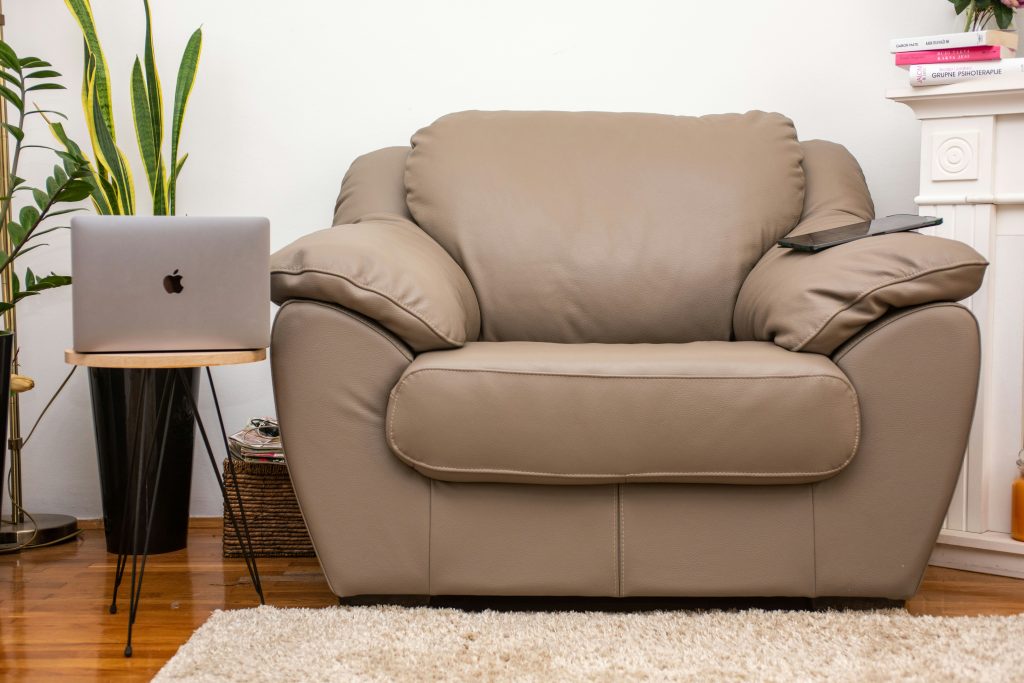
Safety, Certifications and Medical Considerations
Safety features and certifications indicate that a product has undergone testing and meets standards relevant to medical equipment. Always consider professional input if you have medical concerns.
Certifications and Standards
Look for compliance with electrical safety standards, fire resistance codes, and medical device regulations when applicable. Certifications from independent testing labs add confidence in product durability and safety.
Fall Prevention and Transfer Safety
Anti-slip footrests, arm grips, and lift angles that stop at safe positions reduce fall risks. Consider adding a transfer handle or adjacent rail to help with weight-shifting during standing or sitting.
Use with Mobility Aids and Wheelchairs
Some lift chairs fold or tilt to align with wheelchairs for easier transfers, while others sit too low or high to pair safely. If you use a wheelchair, verify how the chair interacts with your device and whether adapters or cushions are needed.
Contraindications and Physician Guidance
Certain positions—like full Trendelenburg—may be contraindicated for people with specific cardiac or respiratory conditions. If you have serious health concerns, consult your physician or occupational therapist for position and feature recommendations.
Accessories and Add-Ons
Accessories extend chair function and convenience, improving daily use for both you and caregivers. Many add-ons can be fitted after purchase if you want to upgrade later.
Side Pockets, Cup Holders, and Trays
Side pockets keep remotes, phones, and reading glasses within reach, while cup holders and trays provide safe surfaces. Removable trays are helpful for meals and small tasks, reducing the need to get up frequently.
Transfer Handles and Rails
Transfer handles attach to the chair or nearby furniture to give you a steady grip during standing. Rails and poles provide caregiver support and can be temporary or permanent fixtures.
Casters, Locking Wheels and Glide Bases
Locking casters allow limited repositioning without heavy lifting but require a stable locking mechanism for safety. Glider bases create a gentle rocking motion and can be less disruptive than wheels in carpeted rooms.
Cushion Inserts, Back Supports, and Sheepskins
Pressure-relief cushions, wedge inserts, and sheepskin covers add comfort and custom fit. Medical-grade cushions designed for pressure redistribution are recommended if you’re at risk of skin breakdown.
Upholstery Replacement and Custom Covers
Custom covers allow you to match décor or accommodate specific care needs like moisture barriers. Some manufacturers offer replacement upholstery options so you can refresh the chair without replacing the frame.
Feature Comparison: Recliner vs Lift Chair vs Power Recliner
This table gives a quick comparison so you can see how common features stack up across chair types.
| Feature | Manual Recliner | Power Recliner | Power Lift Chair |
|---|---|---|---|
| Motorized Movement | No | Yes | Yes |
| Lift Assistance | No | Optional (tilt) | Yes (designed to assist standing) |
| Independent Back/Foot Control | Rare | Common (dual motor) | Common (dual motor) |
| Therapeutic Options (heat/massage) | Limited | Common | Common |
| Price Range | Low to mid | Mid to high | Mid to high |
| Battery Backup | No | Optional | Often included |
| Best For | Casual comfort | Convenience & therapy | Mobility assistance & safety |
Upholstery Pros and Cons
This table summarizes common upholstery choices to help you weigh cleanliness, comfort, and cost.
| Material | Pros | Cons |
|---|---|---|
| Genuine Leather | Durable, premium feel, ages well | Higher cost, needs conditioning |
| Faux Leather/Vinyl | Affordable, easy to wipe clean | Can crack with time, less breathable |
| Microfiber | Soft, stain-resistant treatments available | May show oil stains, requires vacuuming |
| Knit/Performance Fabric | Breathable, flexible, many colors | May snag, variable stain resistance |
How to Choose the Right Chair for You
Choosing the right chair involves both measurements and lifestyle considerations, balancing comfort, medical needs, and room constraints. Use a checklist and try chairs where possible.
Assess Your Mobility Needs
Consider how much assistance you need to stand, sit, and reposition during the day. If you depend on others for transfers, prioritize lift function, stable armrests, and caregiver controls.
Define Your Therapeutic Goals
Decide whether you need features for pain relief, improved circulation, or pressure management. If therapy is the main priority, look for targeted heat, adjustable lumbar, independent leg lift, and pressure redistribution cushions.
Measure Yourself and Your Space
Record hip width, seat-to-floor height, thigh length, and doorway clearances to ensure a good fit. Remember to measure with shoes or orthotics if you use them regularly.
Test Controls and Movement
Try remotes and buttons to ensure you can operate them comfortably and reliably. Test how quietly and smoothly the chair moves, and whether positions are comfortable without forced muscle tension.
Consider Future Needs and Durability
Think ahead about potential mobility declines or changes in size. A chair with a higher weight capacity, stronger motors, and replaceable parts will give you more long-term value.
Ask About Warranties and Service
Confirm what the warranty covers—motors, frames, upholstery—and how long it lasts. Check local service networks for repairs and whether the manufacturer stocks replacement parts.
Maintenance, Troubleshooting and Common Problems
Proper maintenance extends chair life and prevents small problems from becoming unsafe. Basic troubleshooting can resolve many issues without a technician.
Regular Cleaning and Conditioning
Vacuum fabric surfaces weekly and wipe leather with a damp cloth, followed by conditioner per manufacturer guidance. Avoid harsh chemicals and follow label instructions to prevent damage.
Inspect Motors, Cables and Battery
Periodically check for frayed cables, loose connectors, and unusual motor noises. Replace batteries per schedule and keep spare fuses if the chair uses them.
Common Failures and Quick Fixes
If a chair won’t move, check power cords, battery status, and remote connections first. For stuck mechanisms, consult the manual for manual release procedures to lower the user safely.
When to Call a Technician
If motors smoke, electrical parts spark, or mechanical components bend, stop using the chair and call an authorized technician. Attempting major repairs yourself can void warranties and create safety hazards.
Cost Range and Warranty
Costs vary widely based on features, upholstery, and brand, so set a budget and prioritize must-have features. Warranties and service plans add value and peace of mind.
Typical Price Ranges
Manual recliners: low to mid-range prices. Power recliners: mid- to high-range depending on motors and massage features. Lift chairs: typically mid- to high-range, with bariatric and medical-grade units at the top end.
Warranty Coverage and What to Expect
Standard warranties often cover frames for several years and motors for one to three years, with shorter coverage for upholstery. Extended warranties or service contracts can reduce long-term repair costs, especially for heavy daily use.
Delivery, Installation and Room Placement
Delivery logistics and final placement affect usability and safety, so plan ahead for power access and clearance. Proper placement reduces the need to move the chair frequently and ensures easy transfers.
Clearance and Wall Distance
Check wall clearance needs for recline style—wall-hugger models need less than standard recliners. Leave space for caregiver movement and safe transfer zones on the chair’s favored side.
Power Outlet and Cord Management
Position the chair near a grounded outlet and secure cords to prevent tripping. If you need an extension or surge protector, use one rated for medical equipment and confirm it won’t overload the circuit.
Professional Delivery and Installation
Many vendors offer white-glove delivery that includes placement, basic assembly, and debris removal. If the chair has complex electronics or requires calibration, professional installation ensures proper function.
When Not to Use or Cautions
Certain medical conditions and situations require care before using a recliner or lift chair. When in doubt, get medical or occupational therapy guidance.
Medical Contraindications
Avoid positions that worsen conditions such as uncontrolled hypertension, certain eye surgeries, or unstable spinal injuries without medical approval. Trendelenburg positions and extreme tilts should only be used under clinician direction.
Children and Unsupervised Use
Keep remote controls and cords out of reach of children, and never leave a child unattended in a lifted position. Safety locks and caregiver supervision reduce hazards.
Pets and Other Household Risks
Pets can trap tails or chew cords, creating risk of damage or electrical hazard. Choose pet-resistant fabrics and secure cords to minimize these risks.
Final Recommendations and Checklist
By focusing on mobility needs, therapy goals, fit, and maintenance, you’ll choose a chair that improves daily life and stays reliable. Use the checklist below to guide your final decision.
- Measure yourself and the room (hip width, seat height, doorway clearance).
- Decide whether you need lift assistance, independent motors, or therapy options like heat/massage.
- Choose upholstery based on cleaning needs and comfort preferences.
- Prioritize battery backup, emergency lowering, and warranty coverage.
- Test controls and ask about local service and replacement parts.
- Consider bariatric or heavy-duty models if your weight is near common capacity limits.
- Plan for delivery logistics and electrical requirements before purchase.
You now have the guidance to compare reclining and lift chairs by the features that matter most to your comfort, mobility, and safety. If you want, you can tell me your measurements, budget, and primary needs and I’ll help you narrow down the features that best match your situation.