
Furniture Fair’s video, hosted by Clay Stevens, explains what power lift chairs are and how they can help you move from sitting to standing with less pain. It outlines features and benefits, available positions, who benefits, common concerns, room-size considerations, and typical price ranges so you can make an informed buying decision.
If you’re shopping for furniture, you’ll find living room, bedroom, dining, and office pieces, plus expert design help and a lowest-price guarantee in the Cincinnati, Louisville, and Dayton areas. Use the video timestamps to jump straight to the topics that matter most to you, and contact the store if you need more personalized guidance.
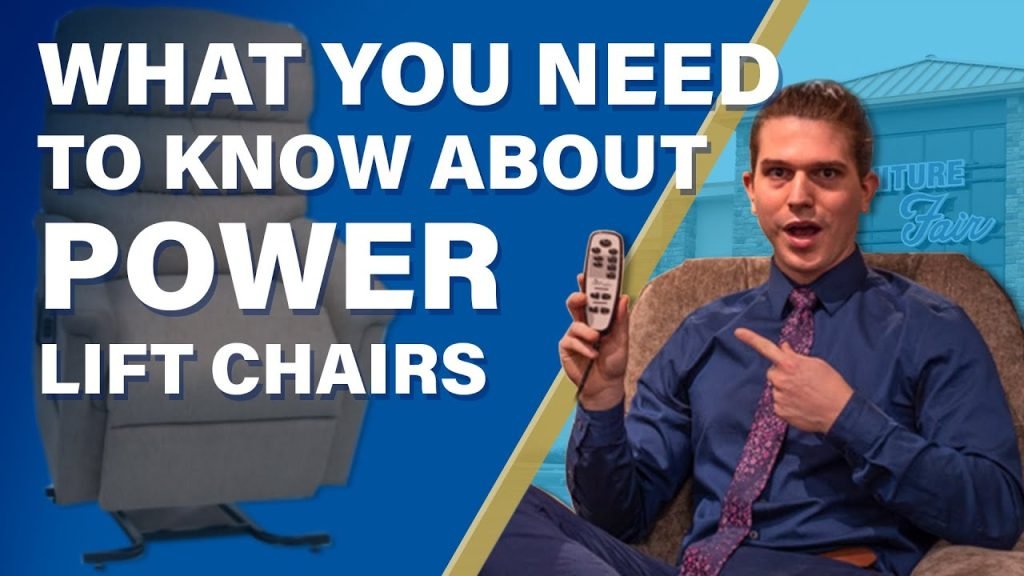

What is a Power Lift Chair?
Definition and primary purpose
A power lift chair is an electrically operated recliner designed to gently lift and tilt you forward so you can move from sitting to standing with far less effort. Its primary purpose is to reduce the physical strain and balance challenges that can make rising from a seated position difficult—especially for people with limited mobility, joint pain, or weakness. The lift action is motorized and controlled by a handheld remote or built-in buttons so you can adjust your position without pushing or struggling.
Main components: frame, motor, lift mechanism, controls
The core components of a power lift chair include a sturdy frame (usually steel or reinforced wood), one or more electric motors, a lift mechanism (often a scissor or articulating base), and user controls. The frame provides structural support and anchors the moving parts. Motors translate electrical power into motion, operating the lift and reclining functions. The lift mechanism connects the seat to the base and moves as a unit to raise or tilt you forward. Controls can be wired remotes, wireless remotes, or integrated side panels that let you adjust position, and in some models they include programmable presets or charging ports.
How lift chairs differ from standard recliners and chairs
While a standard recliner allows you to lean back and extend a footrest, a power lift chair adds the ability to move the entire chair forward and up to assist standing. Unlike manual recliners, power lift chairs often offer smoother, more precise adjustments and can include therapeutic positions such as zero-gravity tilt. The base and lifting mechanism make them larger and sometimes heavier than typical chairs, and the motorized functions require electrical power. In short, lift chairs combine the comfort of recliners with assistive technology to make transitions easier and safer.
Types by movement: two-position, three-position, infinite-position
Power lift chairs come in several movement types. Two-position models move you from a seated position into a standing-assist tilt; they typically don’t recline far. Three-position chairs add a basic reclining feature so you can sit upright, recline, and be helped to stand. Infinite-position (or multi-position) chairs offer a wide range of reclining angles and leg rest positions, allowing near-flat or zero-gravity postures and more precise comfort adjustments. The right type depends on how much reclining and therapeutic positioning you want in addition to lift assistance.
How the lift action assists standing and sitting
The lift action tilts and elevates the seat to align your body for a safer, lower-effort transfer. When activated, the mechanism gradually raises the seat and tips it forward so your weight is shifted toward your feet, reducing the need to push up with your legs or use your arms. When you sit down, the chair lowers and returns to a comfortable seating position slowly and evenly, minimizing impact and making it easier to settle back without straining joints or losing balance.
Key Features and Benefits
Ease of standing and reduced strain on joints
One of the most immediate benefits you’ll notice is how much easier it becomes to stand. The lift reduces the force required from your knees, hips, and lower back by positioning your body optimally and using the chair’s power to do the heavy lifting. This can significantly reduce painflare and fatigue after prolonged sitting or during repeated transfers, which is especially helpful if you have arthritis or weakened lower limbs.
Customizable reclining and leg lift options
Modern lift chairs often let you fine-tune both the backrest angle and the leg rest independently, so you can find the most comfortable position for reading, napping, watching TV, or elevating your legs for swelling. Some models provide micro-adjustments, while others offer predefined positions. The ability to control back and leg angle separately helps you manage pressure, improve circulation, and reduce discomfort in targeted areas.
Comfort features: cushioning, lumbar support, headrests
Beyond the lift mechanism, manufacturers focus on comfort with multi-layer cushioning, varying foam densities, pocket coils, and built-in lumbar support. Adjustable or cushioned headrests provide neck support when you recline, and bolstered armrests add lateral comfort. The upholstery and internal support systems determine how the chair feels over long periods—some chairs prioritize plush comfort while others emphasize firmer, more supportive seating.
Health benefits: pressure relief, circulation support
By allowing you to change positions frequently and elevate your legs, lift chairs can help relieve pressure points and reduce the risk of skin breakdown. Elevating the legs promotes venous return and can reduce swelling in the ankles and feet. Recline options that distribute weight more evenly help avoid concentrated pressure on hips and the coccyx, which is especially useful if you spend extended time seated.
Independence and caregiver assistance reduction
A power lift chair can increase your independence by enabling you to stand without direct physical help, which can preserve dignity and reduce reliance on caregivers for routine tasks. For families and caregivers, this can lower physical strain and the time required to assist with transfers, allowing you to maintain more autonomy in daily life.

Common Positions and Mechanisms
Lift-to-stand/tilt forward position
The lift-to-stand or tilt-forward position is the feature that distinguishes a lift chair from other chairs. In this mode the entire seating surface tilts and rises, shifting your center of gravity forward and upward so you can stand with minimal effort. The motion is typically smooth and controlled, designed to keep you stable throughout the transition.
Recline and full-recline positions
Recline positions let you lean back for relaxation or napping. Some chairs only recline partially, while full-recline options allow the chair to approach a near-flat position for sleeping or therapy. Full recline models can be beneficial if you need to lie down intermittently or require a more horizontal posture for comfort or medical reasons.
Leg-rest and footrest extension mechanics
Leg-rests typically extend via the same motorized system or a linked mechanism that raises and supports your lower legs. Some chairs deploy the leg rest first, then recline the back, while other models move both simultaneously. High-quality systems provide smooth, synchronized movement without abrupt stops, and a few designs feature independent leg-rest control so you can raise your knees while keeping your back more upright.
Zero-gravity and therapeutic tilt options
Zero-gravity positioning mimics the posture astronauts use to spread body weight evenly: legs elevated slightly above the heart and spine in a neutral alignment. This position reduces spinal pressure and can feel weightless, which some users find very therapeutic. Therapeutic tilt options are designed to manage specific conditions such as back pain or edema by optimizing body alignment and blood flow.
Memory positions and programmable presets
Higher-end power lift chairs often include memory presets that store your favorite positions. With a single button press you can return to a saved recline, lift, or sleep setting. This is especially useful if you share the chair with someone else or if you need consistent positioning for medical reasons—programmed presets make it easy to get the same support every time.
Who Can Benefit from a Power Lift Chair?
Seniors with limited mobility or balance issues
If you’re a senior with reduced strength or balance, a lift chair can help you move between sitting and standing safely and independently. The chair supports your transitions and reduces the risk of falls during transfers, which is a major concern for older adults.
People with arthritis, chronic pain, or joint problems
Those with arthritis, chronic knee or hip pain, or degenerative joint conditions often find lift chairs relieve the stress of standing and sitting. By minimizing the effort required for transfers and allowing you to elevate or recline for comfort, the chair can reduce pain flare-ups and make daily living tasks more manageable.
Post-surgery or injury recovery users
If you’re recovering from surgery—especially hip, knee, or back surgery—or from an injury that limits your mobility, a lift chair can be part of your recovery plan. It allows you to rest, adjust position frequently, and stand with support, all without straining healing tissues.
Caregivers who assist family members
Caregivers benefit because lift chairs can reduce the physical demands of assisting a loved one to stand or sit. That can decrease caregiver fatigue and the chance of workplace-style injuries when lifting or supporting another person.
Anyone seeking enhanced comfort and easier transitions
Even if mobility isn’t a major issue, you might choose a lift chair for the enhanced comfort, ergonomic support, and convenience it provides. If you enjoy long periods of relaxation, want multiple therapeutic positions, or prefer the convenience of motorized adjustment, a lift chair can be a worthwhile upgrade.

Size, Dimensions, and Room Placement
How to measure seat height, depth, and width for proper fit
To ensure a comfortable fit, measure the seat height from floor to the top of the seat cushion; your feet should rest flat on the floor with knees at about a 90-degree angle. Measure seat depth from the backrest to the front of the cushion—your back should be supported while leaving a couple of inches behind your knees. Seat width should accommodate your hips and allow for comfortable shifting. If possible, try the chair in person to confirm fit, because measurements alone don’t always capture cushion firmness and real-world comfort.
Allowance for lift clearance and wall proximity
Lift chairs need extra clearance behind them because some models use a wall-hugger design that requires minimal space while reclining, while others push the chair base forward as the back reclines. Follow manufacturer guidelines for distance from the wall—typically several inches to a foot—to avoid wall damage and ensure full range of motion. Also leave room in front for the forward-tilt action when standing.
Considerations for room scale and visual balance
Because lift chairs can be bulky, consider the overall scale of your room to maintain visual balance. A very large lift chair can dominate a small living area, while a small chair can look lost in a large room. Think about complementary furniture, traffic flow, and sightlines so the chair fits both physically and aesthetically.
Space-saving and compact models for small rooms
If you’re tight on space, look for compact or apartment-size models that are designed to fit smaller rooms while still providing lift functionality. Wall-hugger lift chairs are another option, as they require less distance between the chair and the wall when reclining. Measure carefully and account for power cords when placing the chair.
Placement near power outlets and cord routing
Because lift chairs require power, place the chair within reach of an outlet or plan for safe cord extension. Avoid routing cords under rugs or across walkways where they could become a trip hazard. Also consider outlets with surge protection and the potential need for battery backup in case of outages.
Materials, Construction, and Upholstery Options
Frame construction: steel, reinforced wood, durability factors
Frames are typically made from heavy-gauge steel or reinforced hardwood. Steel frames tend to be more durable and stable for lifting mechanisms, while quality hardwood can add comfort and a traditional feel. Check the manufacturer’s specifications for load ratings and build quality; welds and joinery matter for long-term durability. The sturdier the frame, the smoother and safer the lift operation will be over years of use.
Cushion materials: foam densities, pocket coil, memory foam options
Cushions range from high-density foam for firm support to layered systems that include memory foam or pocket-coil innersprings for a balance of comfort and support. High-density foam maintains shape and support over time, while memory foam conforms to your body for pressure relief. Pocket-coil systems add responsiveness and airflow. Choose cushion types that match your comfort needs and how long you’ll be seated each day.
Fabric choices: performance fabrics, leather, faux leather
Upholstery options include performance fabrics designed to resist stains and wear, genuine leather for a premium look and durability, or faux leather for a leather-like appearance at a lower cost. Performance fabrics can include microfiber or poly blends that are easy to clean. Leather breathes less but is easy to wipe down, while fabric can be softer and more breathable.
Surface treatments: stain-resistant, antimicrobial finishes
Many fabrics and leathers are treated with stain-resistant or antimicrobial finishes, which can be particularly useful if you’re concerned about spills, odors, or hygiene. These treatments help keep the chair looking and smelling fresh, and they make routine cleaning simpler, especially for household members with pets or frequent visitors.
Removable covers and ease of cleaning
Some models offer removable and washable covers or replaceable upholstery panels, which make deep cleaning and maintenance easier. If you expect spills, pets, or heavy use, a chair with removable covers or easily cleanable surfaces will help maintain appearance and hygiene over time.

Power Sources, Battery Backup, and Safety Features
Standard AC power requirements and cord safety
Power lift chairs generally run on standard household AC power using a cord and transformer. Check voltage and wattage requirements and avoid running the cord under rugs or in high-traffic areas. Ensure the cord and transformer stay clear of heat sources and moisture. Unplug the chair before doing any maintenance.
Battery backup options for power outages
Many lift chairs offer optional battery backup so you can still operate the lift function during a power outage. This can be important for users who need reliable assistance to stand or sit even when the power goes out. Battery backups usually provide limited cycles, so check how many lifts they support and consider rechargeable options.
Energy consumption and standby considerations
Lift chairs consume modest amounts of power while moving and minimal power in standby. If you’re energy-conscious, check the chair’s energy usage or look for models with automatic sleep modes that cut power after a period of inactivity. Transformers can get warm, so place them where airflow can dissipate heat.
Safety cutoffs, surge protection, and manual overrides
Good chairs include safety cutoffs that stop movement if an obstruction is detected, and some have surge protection to guard electronics. Manual overrides or mechanical releases allow you to return the chair to a stable position if electronics fail. Review safety features before purchasing and keep the user manual handy.
Weight limits, stability features, and anti-tip designs
Manufacturers specify maximum user weight; exceeding that limit risks damage and unsafe operation. Look for chairs with reinforced frames, wide bases, and anti-tip designs for added stability. If you need a bariatric model, choose a chair specifically rated for higher weight capacities and wider seating.
Controls, Remotes, and Smart Features
Wired vs wireless remote control differences
Wired remotes are simple, reliable, and less likely to be misplaced, while wireless remotes offer flexibility and a cleaner look without a visible cord. Wireless remotes may require battery changes and can be lost more easily, but they let you control the chair from a short distance.
Simple toggle controls versus multi-button remotes
Basic toggle controls give you up/down or recline/raise functions and are intuitive to use. Multi-button remotes offer more granular control, separate buttons for back and leg rest, and access to presets. Choose the control complexity that matches your comfort with technology and your need for precise positioning.
Programmable memory positions and presets
If you want to return to exact positions quickly, programmable memory presets are very convenient. Save your favorite recline angle, lift position, or sleep setting and recall it at the touch of a button. This is particularly helpful if you share the chair or need consistent positioning for medical reasons.
USB ports, charging features, and integrated conveniences
Some models include USB ports or integrated charging pockets so you can charge devices while you relax. Other conveniences may include cup holders, storage pockets, or tray attachments. These features can enhance usability if you spend long periods in the chair.
Smart-home integration and voice control possibilities
High-end chairs may offer smart-home integration so you can control them via voice assistants or home automation systems. This can be useful if you want hands-free control, but make sure the integration is secure and easy for you to set up and use.

Safety Concerns and Precautions
Preventing tipping and ensuring proper base support
To prevent tipping, place the chair on a flat, stable surface and avoid leaning excessively to one side while the chair is moving. Ensure the base is fully engaged and don’t use the chair on unstable flooring. Follow manufacturer guidelines for clearance and placement to ensure safe operation.
Avoiding pinch points and entrapment during movement
Be aware of pinch points where moving parts come together, especially for hands, fingers, and small children. Keep pets and children away when the chair is operating, and never place objects in the path of movement. Many chairs include warnings and design features to minimize these risks—observe them closely.
Adhering to weight limits and user safety ratings
Always follow the specified weight limits and intended use. Using a chair beyond its rated capacity can damage the mechanism and create a safety hazard. If you require a higher capacity, choose a bariatric model with appropriate ratings and reinforced construction.
Electrical safety: cord placement and moisture avoidance
Keep cords away from water, heat sources, and high-traffic areas. Do not operate the chair with wet hands or if the chair or cord has been exposed to liquids. Regularly inspect cords for wear and replace damaged cords or transformers promptly.
Safe operation around children, pets, and visitors
Teach household members about safe use and ensure that children and pets do not play on or around the chair, especially when it is powered. Lockout functions or removing the remote when not in use can reduce accidental operation. Supervise visitors who may be unfamiliar with the chair’s movement.
Conclusion
Summary of the most important considerations when choosing a lift chair
When choosing a power lift chair, prioritize fit, safety, and the level of lift and recline you need. Consider frame durability, cushion comfort, upholstery, power and backup options, and control simplicity. Make sure the chair supports your weight, matches your room size, and provides the therapeutic positions you want.
Recommended next steps: measure, test, and compare models
Measure your body and room, then try chairs in person when possible to test seat height, depth, and how smoothly the lift operates. Compare features across models—movement type, cushion materials, safety features, and warranty—so you get the best match for your needs and budget.
Key safety and maintenance reminders for long-term use
Maintain your lift chair by keeping the mechanism clean, inspecting cords, and following recommended weight limits. Use surge protection, consider battery backup for critical needs, and address any mechanical issues promptly to prevent further damage or safety risks.
How to get further help: retailers, occupational therapists, and support resources
If you’re unsure which chair suits you best, visit retailers to try options, consult an occupational therapist for mobility and ergonomic recommendations, and ask about manufacturer warranties and support. These resources can help you choose a chair that improves comfort, safety, and independence for the long term.
Do you find yourself having trouble getting out of your chair after a long day of watching TV? Do you have any aches and pains going from seated to standing? Or are you just looking for a comfortable chair that you can use for your everyday life? If you are, power lift chairs may be the perfect chair for you. In this video our furniture specialist, Clay Stevens, will provide you with all the knowledge you will ever need on power lift chairs so that you can make a more educated buying decision.
If you want to learn more about furniture and furniture related topics, be sure to check out our Learning Center where we upload articles and videos every week:
If you’re in the market for furniture, you want the best combination of style, affordable pricing, and quality. Furniture Fair is your best source for high-quality, low-priced, living room, bedroom, dining, and office furnishings. If you need a new couch, sectional, dining table, mattress, or bed, you can find it here. Save even more with our lowest price guarantee. If you’re worried about choosing the perfect style, our expert designers can assist you with a custom room design. As a family-owned, community-focused company, we’re dedicated to giving you the best value prices in the Cincinnati, Louisville, and Dayton Areas.
Browse our selection here:
Follow Furniture Fair:
Facebook: / furniturefair
Instagram: / furniturefair
Pinterest: / furniturefair
